Source canbus pro d1s xenon ballast for cars, trucks, and SUVs
Find 30 listings for the canbus pro d1s xenon ballast to compare voltage, wattage, and warranty options. Buyers can evaluate models like D1S, X5, and K8 for retrofit and upgrade applications in various vehicle types.
Key considerations
Products List
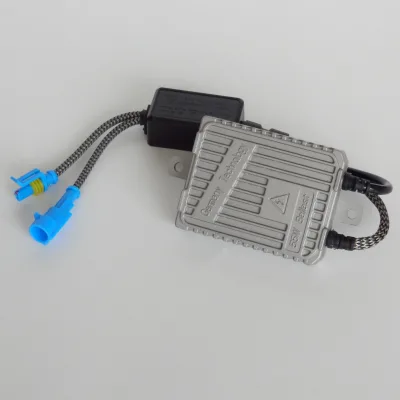
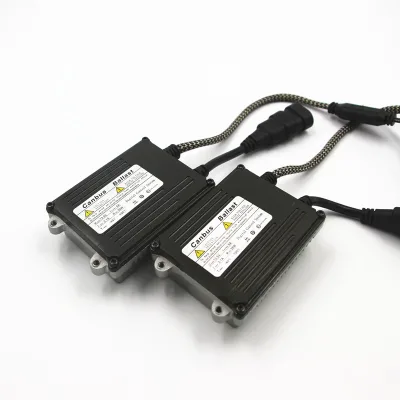
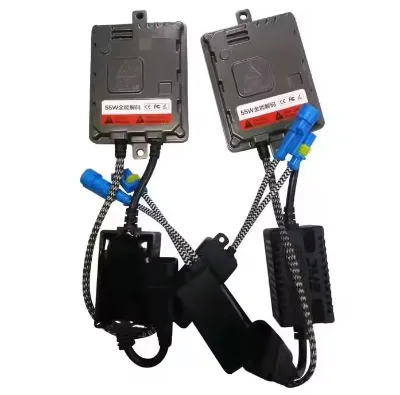
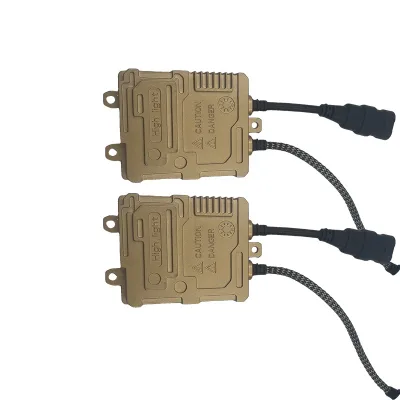

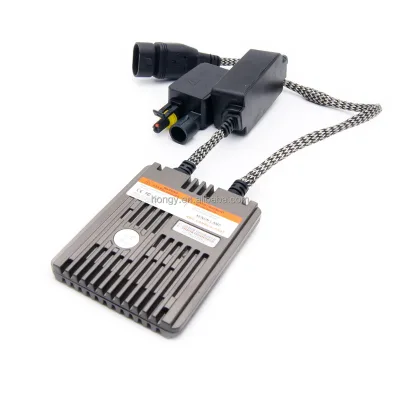
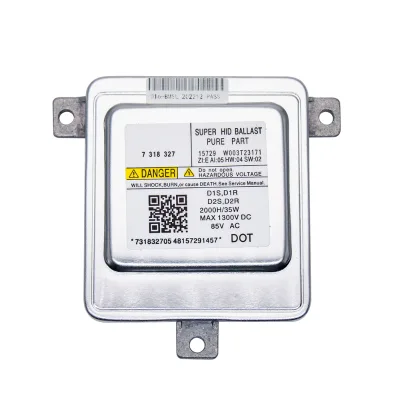
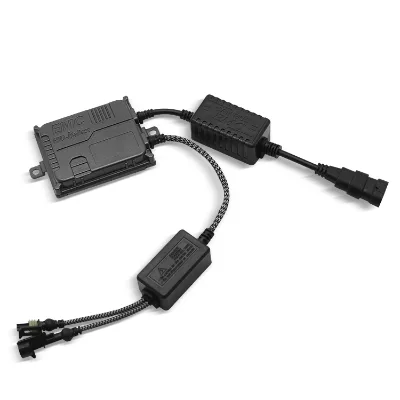
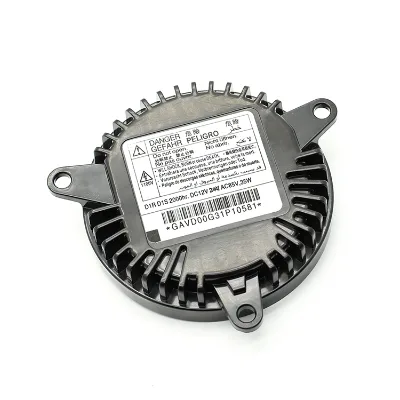


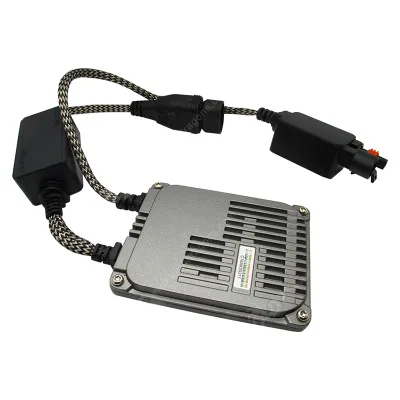


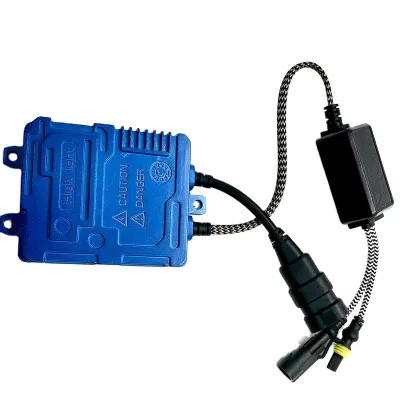
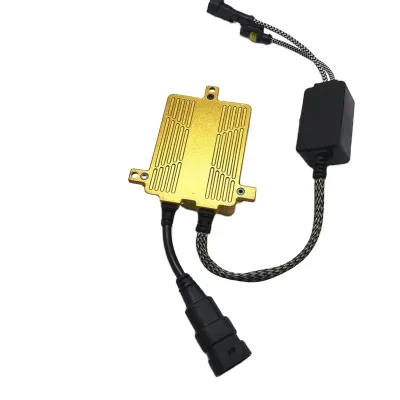
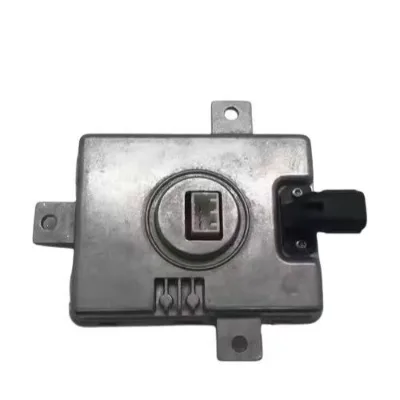
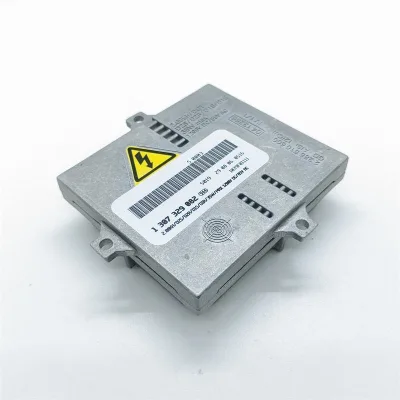
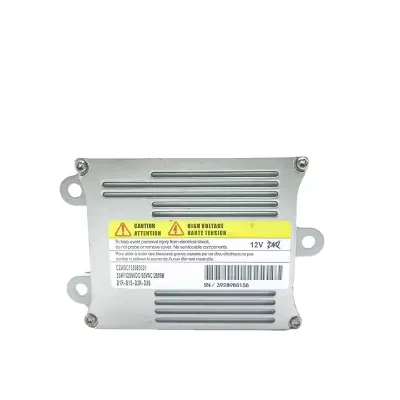
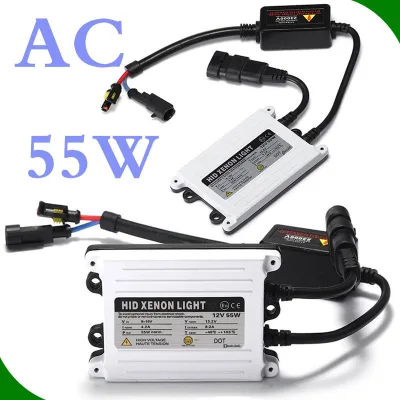


Comprehensive Sourcing Guide
Strategic Sourcing Guide for Canbus Pro D1S Xenon Ballast Solutions
Understanding the Technical Architecture of D1S Canbus Ballasts
The core keyword "canbus pro d1s xenon ballast" refers to a specialized automotive component designed to regulate the electrical current required to ignite and sustain the arc within a D1S xenon headlight bulb. In the context of modern vehicle electronics, the integration of a CAN bus interface is critical. This interface allows the ballast to communicate with the vehicle's central control unit, effectively preventing error codes that often trigger when aftermarket lighting components are installed. The observed product data indicates that these units are engineered specifically for retrofit and upgrade purposes, ensuring compatibility with vehicles originally equipped with D1S bulbs or those undergoing a conversion to xenon technology.
Technical specifications derived from the available product listings reveal a consistent voltage requirement of 12 V, with some variants supporting a broader operating range of 9-16 V to accommodate voltage fluctuations in automotive electrical systems. The power ratings observed in the market for these components vary, with specific models rated at 35 Watts, 55 Watts, and even 72 Watts. The 55-watt rating is particularly prominent in the D1S category, aligning with the standard high-intensity discharge (HID) requirements for this bulb shape code. The light color output is consistently noted as "Cool White," which is the standard spectral output for xenon gas discharge lamps, providing high visibility and a distinct aesthetic compared to halogen alternatives.
The physical form factor of these ballasts is also a key consideration for procurement. The single package sizes observed range significantly, from compact units measuring 10x11x5 cm to larger assemblies reaching 54x30x29 cm. This variance suggests that the "ballast" designation may encompass different packaging configurations, including the ballast unit itself, wiring harnesses, or complete kit assemblies. The single gross weight of these items varies from 0.500 kg to 1.500 kg, indicating differences in the internal components, such as the size of the transformer or the inclusion of additional protective casing. Buyers must verify the exact dimensions and weight of the specific model number, such as "D1/D3 Canbus Ballast" or "X5," to ensure they fit within the available engine bay or headlight housing space.
Compliance Verification and Certification Standards
When sourcing automotive lighting components, particularly those involving high-voltage ignition systems, verifying compliance with international and regional standards is non-negotiable. The product data provided does not explicitly list specific certification bodies or standard numbers (such as E-mark, DOT, or SAE). Therefore, a prudent procurement strategy requires the buyer to actively request and validate these documents from potential suppliers. The absence of listed certifications in the initial product description should not be interpreted as a lack of compliance, but rather as a data point that requires further due diligence.
Buyers should prioritize suppliers who can demonstrate adherence to safety standards regarding electrical isolation, thermal management, and electromagnetic compatibility (EMC). Since the product is designed for automotive use, the ballast must not interfere with the vehicle's radio frequency or other electronic systems. The "CAN bus" functionality implies a specific communication protocol that must be robust against electrical noise. In the context of the observed "Guangdong, China" and "Guangzhou, China" origins, it is essential to verify that the manufacturing facilities adhere to ISO 9001 quality management standards, even if this is not explicitly stated in the product listing.
Furthermore, the "High Quality" attribute mentioned in the product data is a subjective claim that must be substantiated by objective test results. Buyers should request third-party test reports that validate the ballast's ability to withstand vibration, temperature extremes, and moisture ingress, which are critical for automotive applications. The warranty periods observed, ranging from 18 to 24 months, serve as an indirect indicator of the manufacturer's confidence in their product's durability, but they do not replace the need for formal certification documentation. Ensuring that the product meets the specific regulatory requirements of the target market (e.g., ECE regulations for Europe or FMVSS for the United States) is a primary responsibility of the sourcing team.
Cost Drivers and Pricing Dynamics in the HID Market
The pricing landscape for D1S Canbus ballasts is influenced by several distinct factors, as evidenced by the observed price range of 4 to 19 USD. This wide variance suggests a market segmented by quality tiers, feature sets, and packaging configurations. The lower end of the price spectrum likely corresponds to basic ballast units with standard warranties and minimal packaging, while the higher end may include advanced features such as faster ignition times, enhanced CAN bus compatibility, or more robust construction materials.
Wattage is a significant cost driver in this category. The data shows models rated at 35 Watts, 55 Watts, and 72 Watts. Higher wattage ballasts generally require larger transformers and more sophisticated circuitry to manage the increased power load, which can drive up the manufacturing cost. Additionally, the "Customization" and "OEM/ODM One Stop Service" attributes indicate that buyers can request tailored solutions, which typically command a premium over standard off-the-shelf inventory. The "Factory Sale" designation suggests that some suppliers may offer competitive pricing by cutting out intermediaries, but this requires verification of the supplier's direct manufacturing capabilities.
Minimum Order Quantity (MOQ) is another critical variable affecting the total cost of ownership. The observed MOQ range of 2 to 500 units allows for flexibility depending on the buyer's scale. Small buyers may benefit from the low MOQ of 2 units, allowing for sample testing without significant capital commitment. However, larger procurement volumes may unlock better pricing tiers, though the specific discount structures are not detailed in the source data. Buyers should calculate the total landed cost, including shipping, which can be substantial given the weight variance from 0.5 kg to 1.5 kg per unit and the varying package sizes. The "Single item" selling unit suggests that pricing is per individual ballast, but bulk purchasing agreements may alter the unit economics significantly.
Typical Applications and Vehicle Compatibility
The primary application for the D1S Canbus ballast is the retrofit and upgrade of automotive headlight systems. The product data explicitly states the purpose as "for retrofit/upgrade" and "for replace/repair," highlighting its versatility in both aftermarket installations and maintenance scenarios. The "D1S" bulb shape code is specific to certain vehicle manufacturers and models, often found in luxury and performance vehicles. The compatibility with "Audi" is explicitly mentioned in the product attributes, indicating that these ballasts are suitable for specific European automotive brands that utilize D1S xenon systems.
The "Universal" type attribute suggests that while the ballast is designed for specific bulb codes, it may be adaptable to various vehicle electrical systems through the use of appropriate wiring harnesses or adapters. This universality is a key selling point for distributors and wholesalers who need to stock a single SKU that can serve a broad range of clients. The "Front Position Lamp" function listed in the data might indicate that some models are designed to integrate with the vehicle's daytime running light (DRL) systems or auxiliary lighting, adding another layer of complexity to the installation process.
The "Light Color" of "Cool White" and the "Lamp Type" of "Hid Xenon" confirm that these ballasts are intended to replace halogen bulbs with high-intensity discharge lamps, offering superior illumination and a modern aesthetic. The "Application" field listing "Automobile Led Headlight" is an interesting observation, as it suggests that some suppliers may be marketing these ballasts for hybrid systems or that the terminology is being used broadly to encompass modern lighting upgrades. Buyers must verify the specific compatibility of the ballast with their target vehicle's electrical architecture to ensure a seamless integration.
Supplier Evaluation and Quality Assurance Protocols
Evaluating suppliers for D1S Canbus ballasts requires a rigorous assessment of their technical capabilities and quality control processes. The observed "Brand Name: DAO" and "Quality: High Quality" attributes provide a starting point, but these claims must be validated through direct engagement. Buyers should inquire about the supplier's production capacity, specifically their ability to maintain consistency across batches, which is crucial for automotive components where even minor variations can lead to system failures.
The "Warranty" periods of 18 to 24 months are a strong indicator of supplier confidence. A longer warranty period often correlates with better quality control and more reliable components. However, buyers should also examine the terms of the warranty, including coverage for shipping costs and the process for handling claims. The "Custom Service: OEM/ODM One Stop Service" attribute suggests that the supplier is capable of customizing products, which is a valuable capability for buyers looking to brand the product or modify specifications.
Quality control should be a central part of the supplier evaluation. Buyers should request information on the supplier's inspection protocols, including incoming material checks, in-process testing, and final product verification. The "Single gross weight" and "Single package size" data points can be used to verify that the supplier is consistently packaging and shipping the correct product. Any deviation from the specified weight or dimensions could indicate a change in the internal components or a packaging error. Additionally, the "Condition: New" attribute confirms that the products are not refurbished, which is a critical factor for automotive safety.
Long-Term Procurement Considerations and Supply Chain Stability
Long-term procurement of D1S Canbus ballasts requires a focus on supply chain stability and the potential for future product evolution. The "Place of Origin" being listed as "Guangdong, China" and "Guangzhou, China" indicates a concentration of manufacturing in a specific region. While this region is a global hub for automotive electronics, buyers should assess the risk of supply chain disruptions due to geopolitical factors, logistics bottlenecks, or regulatory changes in the region.
The "Model Number" variations, such as "canbus ballast," "D1/D3 Canbus Ballast," "X5," and "K8," suggest that the market is dynamic, with new models being introduced regularly. Buyers should establish a relationship with suppliers who can provide a roadmap of their product development, ensuring that the components they source today will remain supported in the future. The "Customization: Available" attribute is particularly relevant here, as it allows buyers to adapt to changing market demands or specific vehicle requirements without switching suppliers.
Lead times and inventory management are also critical long-term considerations. While specific lead times are not provided in the data, the varying package sizes and weights imply that shipping logistics can be complex. Buyers should negotiate clear terms regarding delivery schedules and inventory holding to ensure a steady supply of components. The "Selling Units: Single item" format suggests that the supply chain is flexible, but bulk orders may require advance planning. Finally, the "Purpose: for retrofit/upgrade" indicates a growing market for vehicle lighting upgrades, making it essential for buyers to stay informed about trends in automotive lighting technology to maintain a competitive edge.
Comparative Analysis of Product Specifications
To facilitate informed decision-making, the following table summarizes the key technical and commercial attributes observed in the product data. This comparison highlights the diversity in specifications and helps buyers identify the most suitable options for their specific needs.
| Attribute | Observation 1 | Observation 2 | Observation 3 | Observation 4 |
|---|---|---|---|---|
| Model Number | canbus ballast | D1/D3 Canbus Ballast | X5 | K8 |
| Voltage | 12 V | 12 V | 9-16 V | 12 V |
| Rated Power | 55 Wattage | 35 Watts | 55W | 72 Watts |
| Bulb Shape Code | D1S | D1/D3 | D1/D3 | D1/D3 |
| Light Color | Cool White | D1/D3 Canbus Ballast | x5 canbus,x5 fast | K8 |
| Warranty | 24month | 24 Months | 18Months | 18 Months |
| Package Size | 10X11X5 cm | 28X22X10 cm | 54X30X29 cm | N/A |
| Gross Weight | 0.500 kg | 1.500 kg | N/A | N/A |
| Purpose | for retrofit/upgrade | for replace/repair | N/A | N/A |
| Brand Name | N/A | DAO | N/A | N/A |
| Suitable For | N/A | N/A | Audi | N/A |
This table illustrates the significant variation in power ratings, warranty periods, and physical dimensions. Buyers must carefully match these specifications to their specific application requirements. For instance, a 72-watt model may be suitable for high-performance applications, while a 35-watt model might be preferred for standard retrofitting. The warranty differences also highlight the need to evaluate the long-term reliability of each model. By cross-referencing these attributes with the specific needs of their customer base, buyers can make more precise and effective procurement decisions.
FAQs
What voltage does the canbus pro d1s xenon ballast support?
The ballast supports a standard 12 V voltage, with some variants operating between 9-16 V. This range accommodates typical automotive electrical fluctuations while ensuring stable ignition for D1S bulbs.
Which wattage options are available for these xenon ballasts?
Available wattage ratings include 35 Watts, 55 Watts, and 72 Watts. The 55-watt model is common for D1S applications, while higher wattages require specific circuitry to manage the increased power load safely.
How long is the warranty period for these products?
Warranty periods typically range from 18 to 24 months depending on the specific model. This coverage reflects the manufacturer's confidence in the product's durability against vibration and temperature extremes.
Can these ballasts be used for retrofit and upgrade purposes?
Yes, the products are explicitly designed for retrofit and upgrade applications. They allow vehicle owners to replace halogen systems with high-intensity discharge xenon technology while preventing error codes via CAN bus integration.
Where are these ballasts manufactured?
Manufacturing locations are primarily in Guangdong and Guangzhou, China. These regions are established hubs for automotive electronics, offering a concentration of specialized factories for this component type.
What is the minimum order quantity for purchasing these items?
The minimum order quantity ranges from 2 to 500 units. This flexibility allows small buyers to test samples while enabling larger procurement volumes to secure better pricing tiers.